
Quality Care for Avians, Reptiles & Small Mammals
We understand that caring for your exotic pet requires special knowledge and experience, so you can rest assured that your loved ones are in good hands.
Our team is committed to giving avians, reptiles, and small mammals the proper care they need to live long, healthy lives. We're also here to support you whenever your pets aren't feeling well.
Our team of skilled professionals at Plainfield Animal Hospital are well-trained in caring for avians, reptiles, and small mammals and can provide you with the information you need to keep your exotic pet healthy and happy.
FAQs for Care of Exotic Pets
At Plainfield Animal Hospital, we offer routine wellness and preventive care services for your bird or other exotic pets. Exotic pets can also be seen for medical or behavioral issues.
-
What is the avian species?
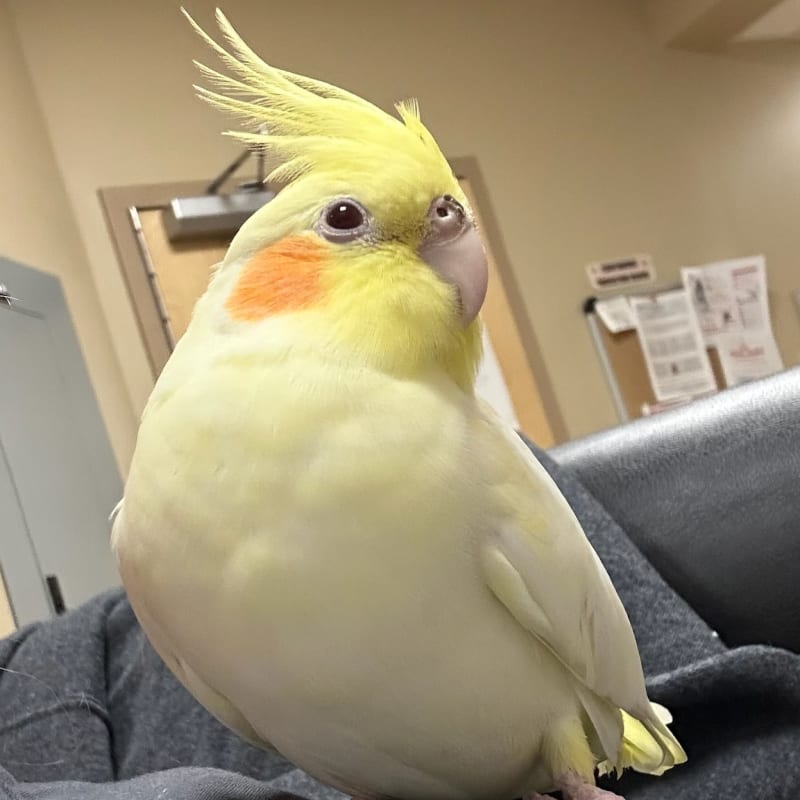
The avian species encompasses all things related to birds. These small exotic animals have become popular pets for people looking for intelligent, affectionate companions with lots of personality.
Many birds are prey animals in the wild and may hide signs of illness as a defense against predators, making regular, qualified preventive veterinary care essential to their health and well-being.
-
What should I do if my bird is sick?
If your bird gets sick, there are several things you can do to help them recover, including ensuring they eat and drink properly.
Keep sick birds separated from other pets and ensure they stay warm. We also suggest placing birds that are ill on cage rest during their recovery to reduce stress, and providing them with approximately 12 hours of light and 12 hours of darkness each day.
Take your bird to your veterinarian for an exam if your avian friend is displaying signs of illness. Seriously ill birds will need to be hospitalized, while those that are only mildly sick or are still eating and drinking may be treated at home by their owners, with a veterinarian's direction.
-
What characteristics do reptiles and amphibians have?
Reptiles and amphibians attract many people looking for something different from the usual furry pets. They need specific environments and preventive care to thrive.
Turtles, snakes, lizards, iguanas, tortoises, and more fall into the reptile category. These air-breathing vertebrates are covered with specialized skin made of hard scales, bony plates, or a combination of both.
Amphibians include frogs, toads, salamanders, newts, and worm-like caecilians. These cold-blooded vertebrates lack scales. They spend part of their lives in water and part on land.
Your veterinarian can tell you about these animals' special dietary and housing needs.
-
What housing needs do small mammals have?
Small mammals have particular care and behavior needs, and anyone considering buying one should check their local laws and regulations about ownership.
For example, ferrets have earned a reputation as escape artists, so they should be kept in a large, well-ventilated, securely closed, and locked cage. These intelligent, curious, and socially interactive animals need a "ferret-proof" play area or room to explore and investigate under supervision.
A hedgehog's large, escape-proof cage should be kept away from direct sunlight, cold areas, or drafts. Since hedgehogs have sharp quills, handling them can be difficult, and they require consistent, proper care.
Talk to your vet about your specific pet's housing, nutritional, social, and preventive healthcare needs.
-
What can I expect at my exotic pet's veterinary appointment?
When you bring your exotic pet in for an appointment, the vet will perform a thorough routine exam to evaluate your pet's overall health.
We'll recommend appropriate preventive care, perform any required tests, and answer any questions you may have about at-home care.
Exotics We Treat
At Plainfield Animal Hospital, we provide dedicated veterinary care for many types of exotic pets, including:
Avians
Cockatiels, Parakeets, and others.
Small Mammals
Ferrets, rabbits, guinea pigs, chinchillas, hamsters, gerbils, and others.
Reptiles & Amphibians
Lizards, turtles and tortoises, snakes, and others.